
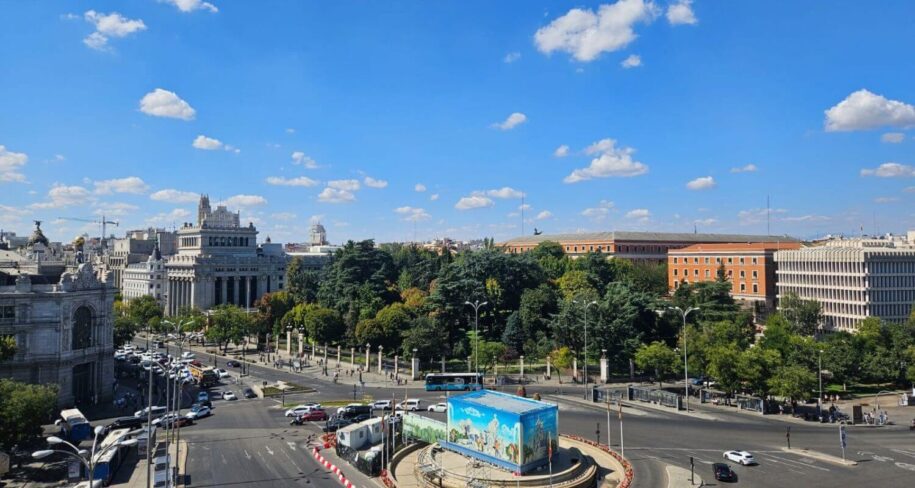
Madrid is one of Europe’s great art cities. What many visitors do not know is that its biggest museums open their doors for free every week. You just need to know when. This guide covers the four best options for visiting free museums in Madrid in 2026: La Neomudejar, the Museo Reina Sofía, the Museo del Prado, and the Royal Palace. All hours have been verified and updated for this year.
- When does each museum open for free?
- How to make the most of a free visit to the Reina Sofía
- What Madrid offers beyond its museum walls
Free museums in Madrid: all hours at a glance
Before planning your visit, here is a quick reference for 2026:
- La Neomudejar: free every Wednesday from 11:00 to 13:00
- Museo Reina Sofía: free Monday, Wednesday, Thursday, Friday and Saturday from 19:00 to 21:00; Sundays from 12:30 to 14:30
- Museo del Prado: free Monday to Saturday from 18:00 to 20:00; Sundays and public holidays from 17:00 to 19:00 (permanent collection only)
- Royal Palace: free for EU citizens, Iberoamerican citizens and Spanish residents, Monday to Thursday, from 16:00 to 18:00 (October to March) and from 17:00 to 19:00 (April to September)
Now let’s look at each one in detail.
1. La Neomudejar: Madrid’s avant-garde art space
La Neomudejar is one of the best-kept secrets in Madrid. It occupies a 19th-century industrial building that once served as a warehouse for Spain’s national rail network. Today it hosts temporary and permanent exhibitions of contemporary and avant-garde art. Most tourists never find it. That is part of the appeal.
The space sits in the heart of Lavapiés, one of Madrid’s most creative and culturally diverse neighbourhoods. If you are spending a day in the area, this is well worth adding to your route. The street art in the surrounding streets is some of the most interesting in the city. Our unusual tours in Madrid covers it in depth.
When is La Neomudejar free?
La Neomudejar is open Wednesday to Sunday, from 11:00 to 15:00 and from 17:00 to 21:00.
Free entry: every Wednesday from 11:00 to 13:00.
Outside of the free window, a standard entry ticket applies. Check the museum’s official website before your visit to confirm current prices.
What makes La Neomudejar worth the visit?
Beyond the exhibitions, the building itself is the attraction. The architecture combines 19th-century brickwork with preserved industrial structures. The entrance area often features street art installations made with wood, tape, and spray paint. It is a strong example of how art spaces in Lavapiés bring together the historical and the contemporary. Do not rush through the entrance. Take a moment to look at the walls.
2. Museo Reina Sofía: modern and contemporary art
The Reina Sofía is Spain’s national museum of modern and contemporary art. It holds one of the most important collections in the world, with works by Picasso, Dalí, Miró, and many other key figures of the 20th century. The permanent collection runs from the early avant-garde movements through to the present day.
The building is a former 18th-century hospital extended by a striking glass structure designed by Jean Nouvel. It is located a short walk from Atocha station, right in the centre of Madrid.
When is the Reina Sofía free?
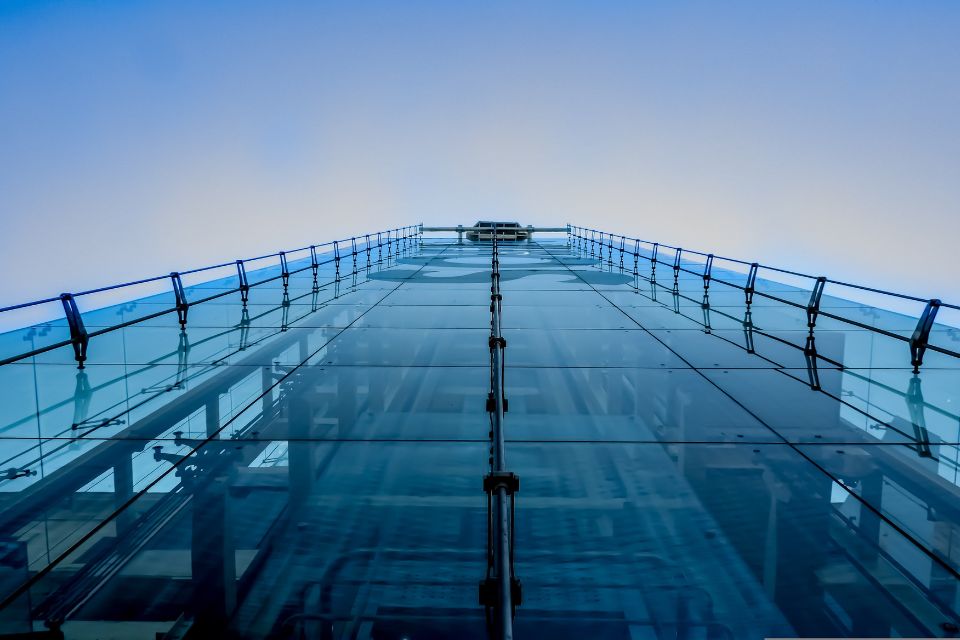
Free entry at the Reina Sofía is available on the following days:
- Monday, Wednesday, Thursday, Friday and Saturday: 19:00 to 21:00
- Sundays: 12:30 to 14:30
Tuesday is the museum’s closing day. If you plan to visit on a Sunday, note that the free window is shorter, so arrive on time.
What not to miss at the Reina Sofía
Guernica is the museum’s most visited work. Pablo Picasso painted it in 1937 in response to the bombing of the Basque town of Guernica during the Spanish Civil War. It is displayed in a dedicated room on the second floor of the permanent collection. The scale of the painting is difficult to appreciate in photographs. Seeing it in person is a different experience entirely.
Beyond Guernica, the collection includes major works by Juan Gris, Joan Miró, and Salvador Dalí. There is also an important section dedicated to photography and film. The sculpture garden is free to enter at all times. The rooftop restaurant Nubel is a good option if you want a break with views over the city.
3. Museo del Prado: the great classic collection
El Prado is Spain’s most visited museum and one of the finest art collections in the world. It focuses on European painting from the 12th to the early 20th century, with exceptional depth in Spanish, Italian, and Flemish masters. The building sits on the Paseo del Prado, five minutes on foot from El Retiro park.
Together with the Reina Sofía and the Thyssen-Bornemisza, El Prado forms what is known as the Golden Triangle of Art. That said, El Prado alone requires at least two hours to see even a fraction of the permanent collection. Plan as much as you can accordingly!
When is El Prado free?
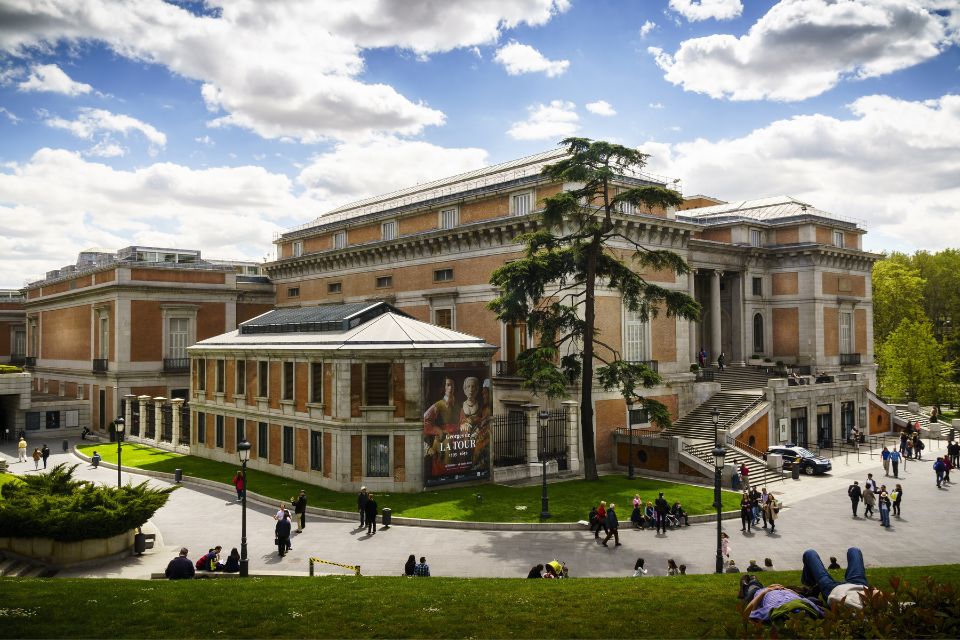
Free access to the permanent collection is available on the following days:
- Monday to Saturday: 18:00 to 20:00
- Sundays and public holidays: 17:00 to 19:00
Free entry applies to the permanent collection only. Temporary exhibitions always require a paid ticket, even during free access hours. Arrive at least 15 minutes before closing to make it through the door.
What to see at El Prado
The collection is too large to take in during a single visit. On a first visit, most people focus on the Spanish masters. Las Meninas by Velázquez is the most iconic work in the collection. El triunfo de Baco, also by Velázquez, is another highlight. It is informally known as the painting of the drunk guys and it is far more playful than the rest of his work.
Francisco de Goya’s Black Paintings are among the most powerful works in any European museum. They are displayed in a dedicated room and should not be missed. The Prado also holds major Flemish collections, including works by Rubens and Bruegel the Elder.
4. The Royal Palace: a bonus beyond the museums
The Royal Palace is not a museum in the traditional sense, but it belongs on this list. It is the official residence of the Spanish monarchy, although the royal family does not live here. The palace is used for state ceremonies and official receptions.
It is located in the western part of the city centre, next to the Almudena Cathedral. From the palace terraces, you get open views over the Casa de Campo, Madrid’s largest park.
When is the Royal Palace free?
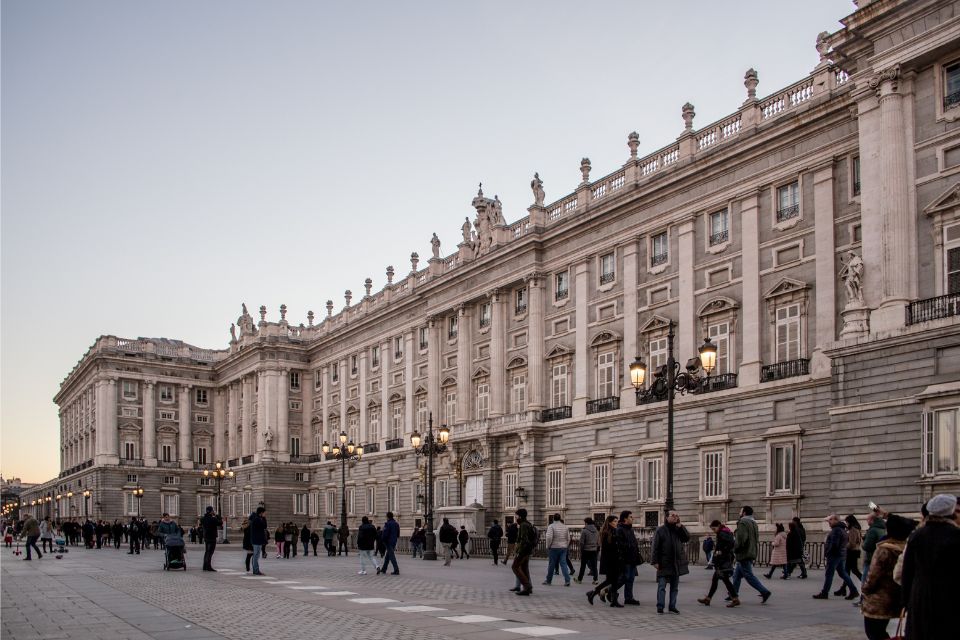
Free entry is available for EU citizens, Iberoamerican citizens and Spanish residents on the following days:
- Monday to Thursday, October to March: 16:00 to 18:00
- Monday to Thursday, April to September: 17:00 to 19:00
You will need to show proof of nationality or residency at the entrance. Free entry does not apply on public holidays or during official state events. Always check the palace’s website before your visit to confirm availability.
What to see at the Royal Palace
The state rooms open to the public are decorated with frescoes, chandeliers, tapestries, and 18th and 19th-century furniture. Audio guides are available in several languages and are worth taking. The Sabatini Gardens, located next to the palace, are free to enter at all times and make a pleasant stop after the visit.
Our take on museums and the art that lives outside them
Madrid’s museum offer is exceptional. But we would be doing you a disservice if we did not mention what happens beyond those walls. The neighbourhoods of Lavapiés and Malasaña are home to some of the most dynamic urban art in Madrid and in Europe. Murals, stencils, paste-ups, and large-scale commissioned works change with the city. They reflect the politics, the culture, and the daily life of the people who live there. That is something no permanent collection can do.
We have been running street art tours in Lavapiés and Malasaña since 2016. Our guides are artists and educators who know both neighbourhoods from the inside. A museum visit and a street art tour are not competing options. In fact, they complement each other very well. If you want to understand contemporary art in Madrid, both matter.
Contact us to find out more about our tours and workshops for individuals, groups and schools. Get in touch with us at +34638399784 or at info@cooltourspain.com.